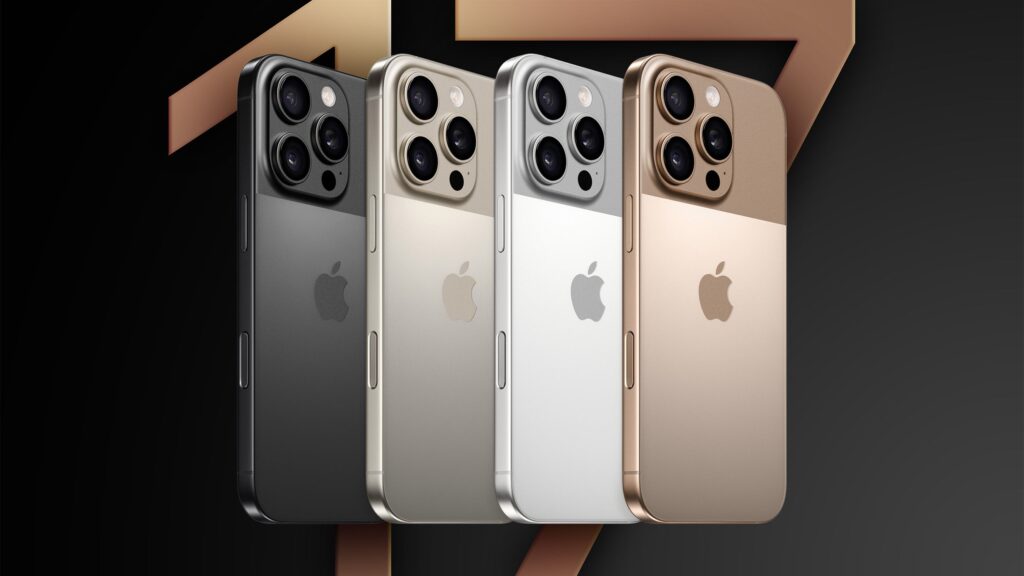
The iPhone 17 series is here and there’s so many thing you’ll have to keep in mind in case you’re looking to upgrade. Starting from the design language, Apple has tried to do something different. While I am not a fan of the iPhone 17 Pro Max Cosmic Orange variant, there are some great looking models to choose from.
If you’re considering an update, you must be confused between all the different models and designs. No worries, I’ve got you. I’ll compare all the models and what they have to offer so you can make an educated decision.
Rethink About Upgrading
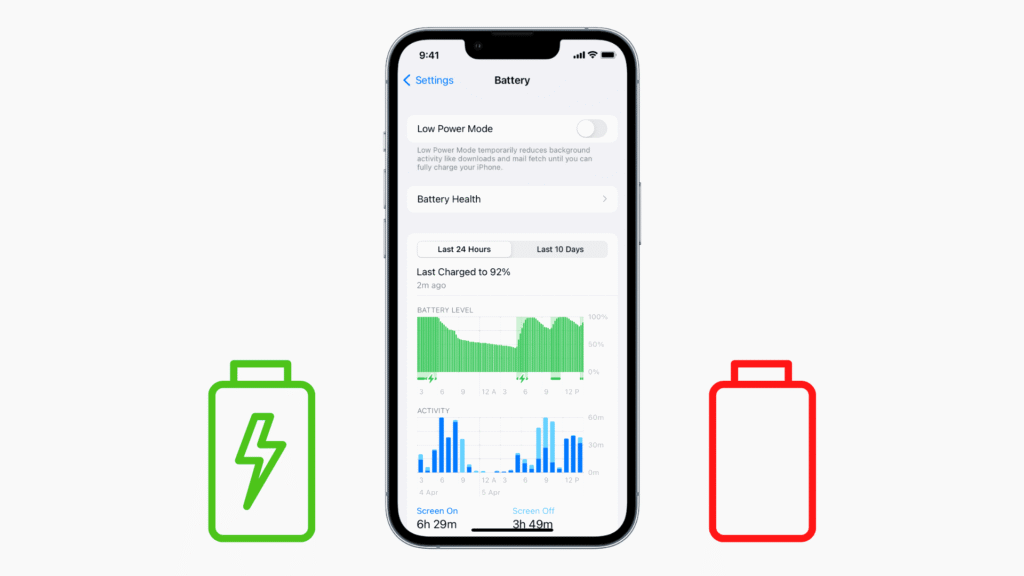
If you an iPhone model from less than 3 years ago, you most likely don’t need to upgrade. Unless there’s something seriously wrong with your device. If your battery health is diminishing quickly, then consider getting a battery replacement.
However, if you’re absolutely set on buying an iPhone 17 model, you can sell your exchange your existing model for a newer one and save a couple of bucks.
Which iPhone 17 Model is Right for You?
There are 4 iPhone models this year, if your primary concern is price, then here’s a breakdown:
- iPhone 17 (Base Model) – $799
- iPhone 17 Air – $999
- iPhone 17 Pro – $1,099
- iPhone 17 Pro Max – $1,199
If you want to dive a little deeper into the specifications, let’s start with the similarities between all the models first.
1. Display
As is tradition, iPhones always come in different screen sizes. But the screens are all OLED (Apple calls it a Super Retina XDR display) and employs a ProMotion technology. This is the first time that all iPhones model come with a ProMotion technology (120 Hz display on all variants).
While Android phones (even the mid-range ones) have gotten the 120Hz display since years, the base iPhone model has gotten it for the very first time.
Moreover, the ProMotion combined with the LTPO technology means the refresh rate can drop as low as 1 frame per second when there’s almost no activity on the screen. This is also the reason you’re getting ‘always on display’ on iPhone 17 & iPhone Air.
2. Camera
The selfie camera is same on all iPhone 17 models this year. It’s a square-shaped 18-megapixel sensor that means you can take both portrait and landscape photos without changing the orientation of your device.
All the iPhone 17 models also support Dual Capture (again a feature that’s been available on Android phones for a while).
3. Basic Specifications
As expected, all 17 models are IP68 water and dust resistant and have Face ID, the Camera Control button, the Action Button, USB-C, and MagSafe charging. All the models come with a base storage of 256 GB.
All the models come with Apple Intelligence on board, an Emergency SOS via Satellite, and Crash Detection.
Differences Between iPhone 17 Models
Now let’s compare all the models and where they differ to understand which model you should be getting.
| Specifications | iPhone 17 | iPhone Air | iPhone 17 | iPhone 17 Pro Max |
| Display | 6.3 inch, 120 Hz, OLED, 3,000 nits (peak), always-on-display, antireflective coating | 6.5 inch, 120 Hz, OLED, 3,000 nits (peak), always-on display, antireflective coating | 6.3 inch, 120 Hz, OLED, 3,000 nits (peak), always-on-display, antireflective coating | 6.9 inch, 120 Hz, OLED, 3,000 nits (peak), always-on-display, antireflective coating |
| Processor | A19 (5-core GPU) | A19 Pro (5-core GPU) | A19 Pro (6-core GPU) | A19 (5-core GPU) |
| Storage | 256 or 512 GB | 256 or 512 GB, 1TB | 256 or 512 GB, 1TB | 256 or 512 GB, 1TB, 2TB |
| Cameras | 48-MP main camera, 48-MP ultrawide, with Macro, 24-MP front camera (binned to 18 MP) | 48-MP main camera, 24-MP front camera (binned to 18 MP) | 48-MP Fusion camera, 48-MP ultrawide with Macro, 48-MP telephoto with 4X zoom, 24-MP front camera (binned to 18 MP) | 48-MP Fusion camera, 48-MP ultrawide with Macro, 48-MP telephoto with 4X zoom, 24-MP front camera (binned to 18 MP) |
| USB-C speeds | USB 2, up to 480 Mb/s | USB 2, up to 480 Mb/s | USB 3, up to 10 Gb/s | USB 3, up to 10 Gb/s |
| Colors | Lavendar, Mist Blue, White, Sage | Space Black, Cloud White, Gold, Sky Blue | Silver, Deep Blue, Cosmic Orange | Silver, Deep Blue, Cosmic Orange |
| Material | Aluminum and Ceramic Shield 2 or front | Titanium, Ceramic Shield 2 on front, Ceramic shield on back | Aluminum, Ceramic Shield 2 on front, Ceramic Shield on back | Aluminum, Ceramic Shield 2 on front, Ceramic Shield on back |
| Weight and Thickness | 177 grams, 7.95 mm | 165 grams, 5.64 mm | 206 grams, 8.75 mm | 233 grams, 8.75 mm |
| Extras | Qi2 25W Magsafe, Face ID, Dynamic Island, Ultra Wideband (2nd Gen), IP68, N1 Networking chip, Dual Capture, Centre Stage | Qi2 20W Magsafe, Face ID, Dynamic Island, Ultra Wideband (2nd Gen), IP68, N1 Networking chip, Dual Capture, Centre Stage | Qi2 25W Magsafe, Face ID, Dynamic Island, Ultra Wideband (2nd Gen), IP68, N1 Networking chip, Vapour chamber cooling, Dual Capture, Centre Stage, 4K 120 FPS video | Qi2 25W Magsafe, Face ID, Dynamic Island, Ultra Wideband (2nd Gen), IP68, N1 Networking chip, Vapour chamber cooling, Dual Capture, Centre Stage, 4K 120 FPS video |
| Price | $799 | $999 | $1,099 | $1,199 |
So if you’re one of those people who love to make decisions just by reading a spec sheet, you must have made your decision already. If you want to dive a bit deeper into each device, keep reading.
1. iPhone 17
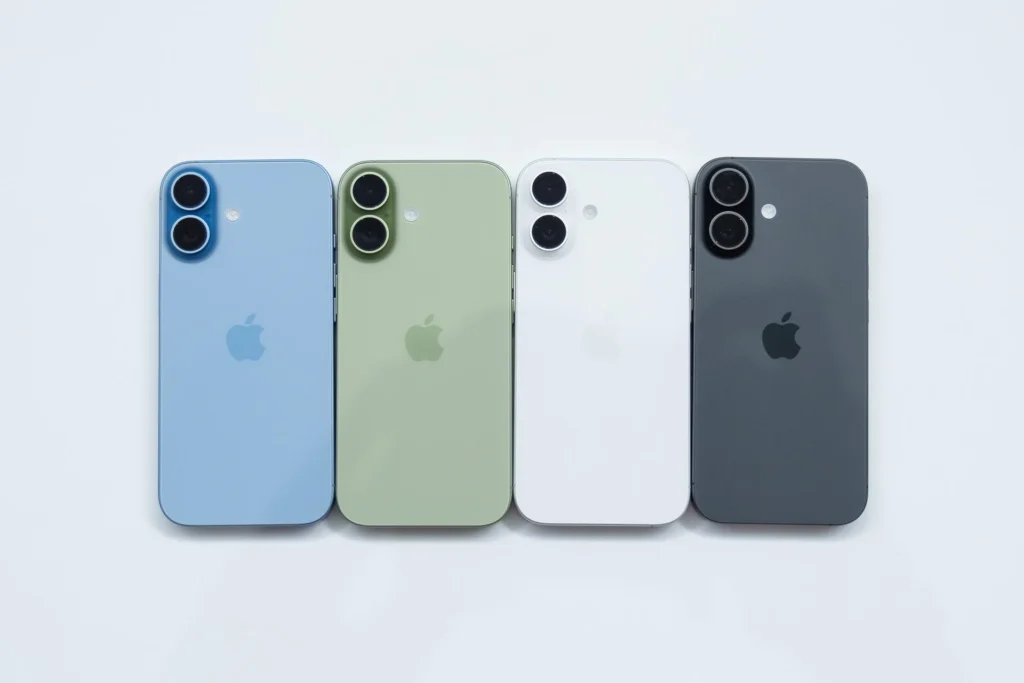
If you’re looking to get most bang for your buck, then the iPhone 17 is the most value for money phone in this entire lineup. For $799, you’re getting a 6.3 inch screen size, more storage, and it’s the first base model to get ProMotion 120-Hz technology. The only place I think the phone may struggle is the chipset. Most multi-tasking and games will do, but demanding games will struggle a lot.
For example, I played COD Mobile on max graphic settings but the experience wasn’t as smooth as I wanted it to be.
iPhone 17 also comes with the new Ceramic Shield 2 glass on the front, but there’s no Ceramic Shield on the back. If you’re a camera enthusiast, then the 48-MP main sensor may not deliver the same photos as the Pro models. Videography will still be stunning on the base model.
Best for: iPhone 17 is best for those who have been looking to upgrade for a while but don’t want to spend a lot. It comes with the ProMotion 120 Hz technology and 256 GB storage. Plus, I believe it has some of the best colors of the entire lineup (apart from Air’s black color variant).
2. iPhone 17 Air
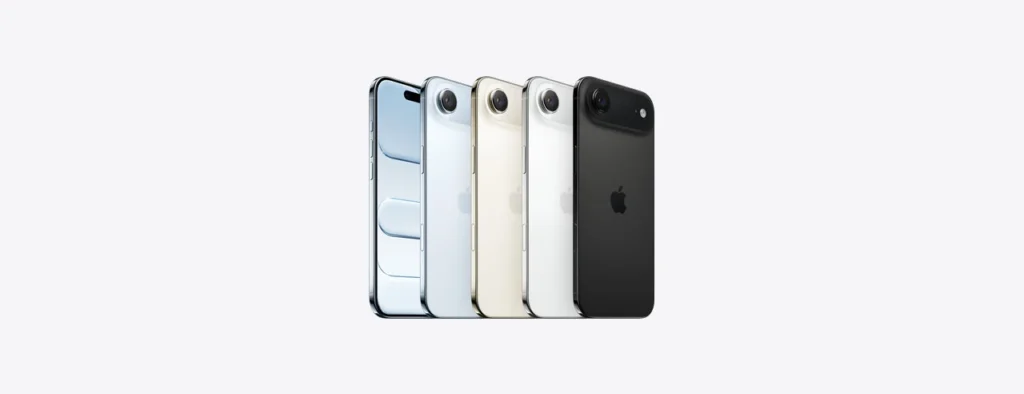
If you love thin and lightweight phones that you barely feel in your pockets, then the iPhone Air is for you. It comes with a 6.5 inch screen, it’s 5.6 mm thin and weighs only 165 grams. Because the phone is so thin, Apple had concerns about its durability, that’s why it’s the only phone from the lineup to be made with Titanium. The durability increases with Ceramic Shield on the back phone.
Although with the new thin design, you will have to make some compromises in the features. You only get a single 48-MP camera, the same as the iPhone 17. There was no telephoto or ultrawide camera on the device.
If you don’t use your camera much, then chances are you won’t miss everything you’re not getting with the Air. There’s no Cinematic mode and spatial video recording, both of which are available on the 17 and 17 Pro.
One thing you will enjoy is the added performance that comes with the A19 Pro chipset. I compared the performance between 17 and Air by playing COD Mobile on both the devices on max settings, and the iPhone Air did slightly better.
However, the Air offers the worst better life out of all the models. If you’re heavy user, you’re most likely going to get less than 5 hours of screen-on time. If you stay out most of the day, you’ll have to carry a MagSafe Battery Pack for iPhone Air.
Similar to iPhone 17, you’ll get the USB-C for charging and data transfer. The iPhone Air also charges a bit slower compared to the base model (50% in 30 minutes).
Best for: If you’re looking to get a thin, lightweight phone, then that’s the only reason to get the iPhone Air. If you have any other use case, get the iPhone 17.
3. iPhone 17 Pro
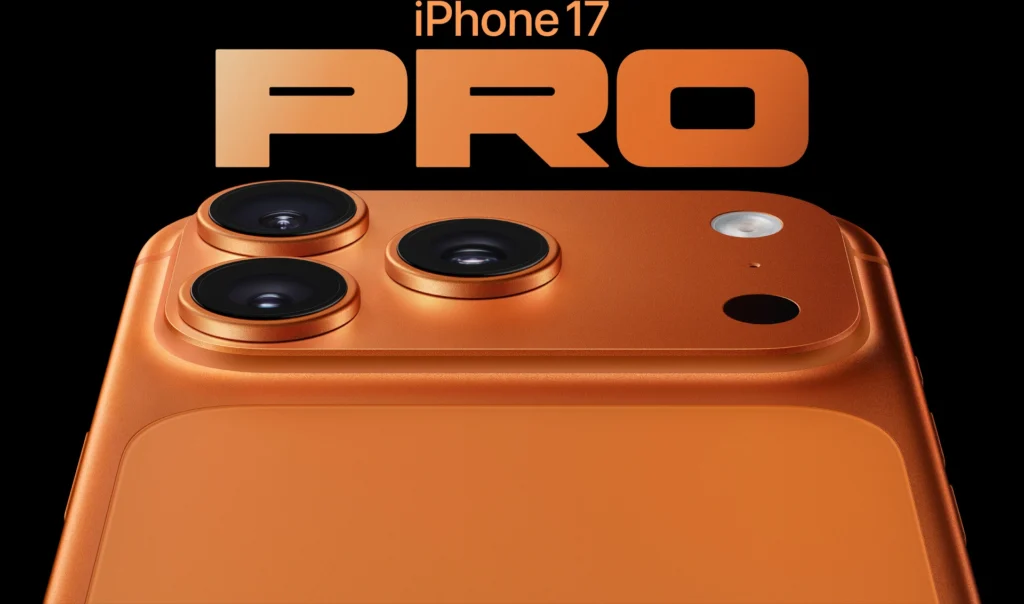
The iPhone 17 Pro has the same 6.3-inch screen size but now has an aluminium unibody instead of titanium which is better at dissipating heat. Similar to iPhone 17 Air, the Pro model gets Ceramic Shield 2 on the front and Ceramic Shield on the back.
Coming to the looks, the Pro and Pro Max models have a completely new design. The two-tone design is a mix of metal and aluminium. Apple has also called the camera bump as “Camera Plateau” that span across the entire width of the phone. I like the designs but the “Scratch Gate” is enough to push users away from the phone. What’s Scratch Gate? Here’s a comprehensive video from everyone favorite durability tester “Jack from Jerry Rig Everything”.
Also these are the first Pro models that come with a vapor chamber cooling system. The same tech has been available on Android devices for years now. There’s a single drop of water inside the iPhone that moves through the chamber from vapour to liquid to keep the iPhone cooler for longer. This is why the Pro models are able to deliver high end performance for longer.
Out of all the phones tested till now, the iPhone 17 Pro delivers the smoothest gameplay. Moreover, the phone didn’t get uncomfortably hot to hold as it spreads the heat throughout the phone.
The telephoto camera now gets 48 MP so you have an entire 3 camera setup of 48 MP sensors. The telephoto lens can deliver 4X optical zoom and up to 8X optical-like quality. If we’re strictly talking about the camera’s performance, it’s one of the best performing camera on the market.
Best for: If you want all the performance but don’t want a huge phone-like brick in your pocket. If you use Apple’s camera features and you want superior performance, then this is the device for you.
4. iPhone 17 Pro Max
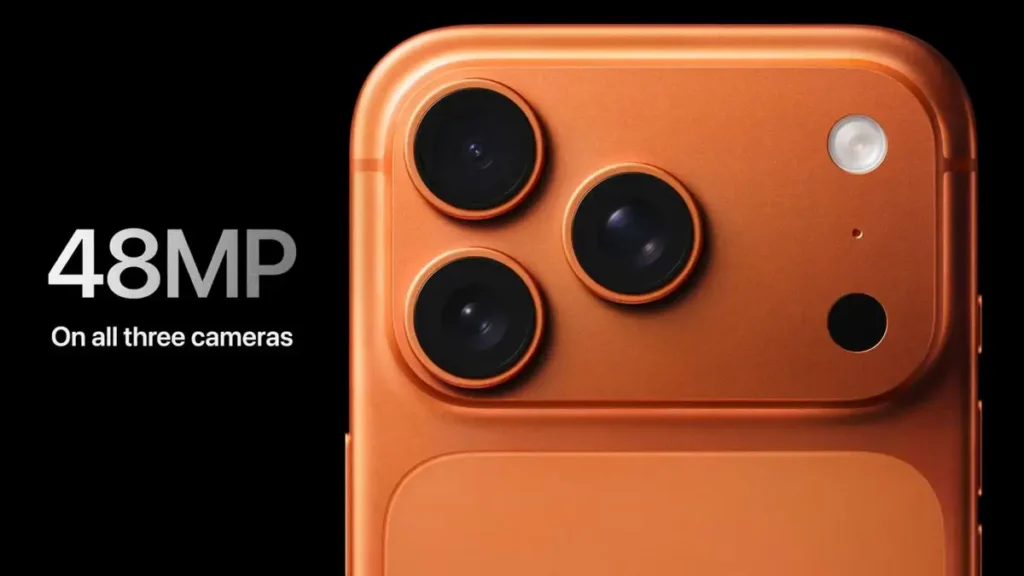
The iPhone 17 Pro Max is the same as the iPhone Pro but just bigger in size. It’s a big, tall, thick, and heavy device. What’s Pro Max about it is the battery life. Apple claims that it gives 39 hours of video playback compared to 33 hours of iPhone 17 Pro. At the end of the day after moderate usage, the device still have a lot of juice left.
It’s also the only phone that gives you the 2 TB storage option. If you want to use your Pro Max for professional photo and videography, you’d love the 2TB storage option. It also offers you the USB-C 3 so you can get up to 10 GB/s data transfer speeds.
Best for: This is the best device that Apple has to offer, especially with the longest possible battery life. Moreover, you also get a bigger screen size.
Summing Up: iPhone 17 Comparison
So that’s it. Now you know everything you need to know before buying a particular iPhone 17 model. Here’s a simple breakdown:
- iPhone 17 – Most value for money, multiple features, most affordable option.
- iPhone Air – Thinnest iPhone ever, limited features, more expensive than base model.
- iPhone 17 Pro – Most feature loaded iPhone, slightly expensive than iPhone Air, and you get tons of features.
- iPhone 17 Pro Max – Just a bigger variant of iPhone 17 Pro.
Choose the model that fits your budget and carefully consider the features you will need from your device.